Book Your Free Fitness Strategy Session 877-426-0860

Waking Up at Night After 40: What's Actually Happening
Waking up during the night gets more common after 40. Here's what actually extends it, the ten-minute window that determines how it goes and, why it matters for your fitness and health.
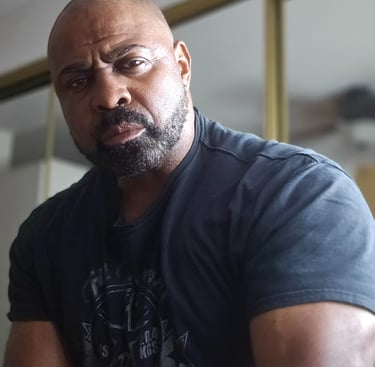
Alfonso Hammond
9/9/20262 min read


Why Waking Up at Night After 40 Might Matter More Than You Think
You wake up. The room's quiet, but your mind isn't. Twenty minutes pass. Then an hour. And you start wondering if this is just how it is now.
What's Actually Happening
Waking briefly during the night can become more common with age, as sleep patterns change and sleep naturally gets lighter. Plenty of things can contribute to a wake-up. But what happens after you wake can affect how easily you settle back down.
Checking the clock. Calculating how much sleep you have left. Worrying about how tired you'll be tomorrow. All of it can increase alertness right when your body needs less stimulation, not more. And once you're frustrated and alert, getting back to sleep becomes even harder.
You can't always control the wake-up itself. But you have more influence over what happens in the next ten minutes than it feels like in the moment.
Why This Matters for Your Training
This isn't just about feeling groggy the next day. Much of your body's actual recovery work, muscle repair, hormonal recovery, the physical rebuilding that turns a workout into real progress, happens during deep, uninterrupted stretches of sleep. Repeated wake-ups don't just cost you rest, they can cut into the recovery window your training depends on.
That's part of why a hard training session can feel harder to bounce back from during a stretch of broken sleep, even when the workout itself was no different than usual. Recovery isn't just about what you do in the gym. It's also about whether your body actually gets the uninterrupted time it needs afterward.
Protect the Next Ten Minutes
Leave the clock alone. Turn it away, or keep your phone out of reach. Knowing exactly how much sleep you have left rarely makes falling back asleep easier.
Keep things dark and quiet. Avoid bright lights or a screen, both give your brain more stimulation right when it needs less.
Don't turn sleep into a fight. Try slow breathing or another quiet, low-stimulation approach. If you're clearly awake for a while, a calm activity outside of bed can beat lying there getting increasingly frustrated.
You don't have to fix every wake-up. You just have to stop turning it into a bigger one.
Your body changed. Your approach should too.
About the Author
Alfonso Hammond is a 30-year fitness industry veteran, founder of The Fit Velocity, and a firm believer that lasting fitness is built on purpose, accountability, and relationships, not shortcuts. He created The Fit Velocity because he saw too many men and women over 40 following programs that were never designed for the lives they actually live. They didn't need another workout. They needed a Journey worth staying on. His philosophy is simple: People don't start from nothing. They start from everything they already are. Whether working with competitive athletes or someone taking their first walk in years, Alfonso's approach remains the same: strengthen the person, strengthen the Journey, and the results will follow.
Every article, guide, and resource published through The Fit Velocity is built upon the same principles found throughout the TFV Testament, practical, honest, and grounded in the belief that meaningful progress comes from reclaiming who you are, strengthening the person you are building, and continuing to thrive throughout life

WORKING HOURS
Monday - Friday 8:00 AM - 5:00 PM
Saturday 8:00 AM - 4:00 PM
THE FIT VELOCITY
Huntington Beach, CA 92649
877-426-0860
RECLAIM. BUILD. THRIVE.




2026 Packed Ice, Inc. DBA The Fit Velocity - Privacy Policy - Terms of Service